Using different languages at home…and at school…

Families who juggle several languages on a daily basis, tend to switch from one language to the other when a word in the other language comes to mind faster and fits the context so that we can make our point in a conversation.

We use to code-switch only with people who share the languages we switch words from and children do this intuitively from a very early stage on.

I used to compare code-switching like fishing for pieces out of a big box of a united repertoire of the languages that are required or possible in the conversation. We don't do this randomly and in every situation. We usually use code-switching only in a multilingual context, ie. with people who share the languages we're switching in.

For example, I wouldn't switch between French and Italian with someone who doesn't understand one of the two languages. 

When my daughter tells me about a discussion on a topic she had at school in English, she will switch from English to German (our home language) in order to adapt to the family policy (German at home). She knows that I understand English so she can use both languages. She might even add some Dutch words or concepts if she needs them to make things clearer (and she knows I speak Dutch too), but the switching only takes place in a setting where both – or all – those involved in the conversation share the languages we switch words and sentences in.

On a side note, as a code-switcher between several languages, I don't use the term of code-switching assuming that the codes are like two or more monolingual codes that can be used without reference to each other because:

Bilinguals are not two monolinguals in one! (cfr. François Grosjean 1985).

Translanguaging and code-switching

In the last ten years (and more) the term of translanguaging came up, especially in the area of bilingual education. Professor Ofelia García of the Graduate Center of the City University of New York defines it as "the deployment of a speaker's full linguistic repertoire without regard of watchful adherence to the socially and politically defined boundaries of named (and usually national and state) languages".

Some thought that translanguaging in class is like code-switching at home, and I must admit that some early descriptions of the concept were misleading because in both cases, the speaker uses the linguistic repertoire from all the languages he/she knows, to communicate effectively.
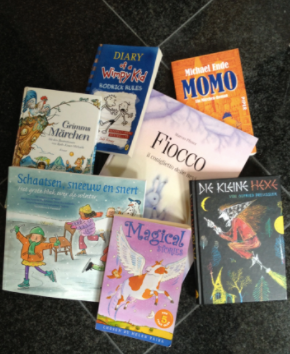
Despite the very diverse panorama in most of the schools – at least here in Europe – many schools still follow the school-language-only policy, which perfectly works for monolinguals.

But every person knows multiple languages would be far better off if they could use their all the languages they speak also in the school setting, in order to communicate effectively, to better support their arguments when asked to find the main idea of a text, or to better understand a concept or theory in science, maths, physics etc..

From the point of view of a parent who raises her children with multiple languages that are not all supported by the school, I can tell that it is a great effort to keep up with the vocabulary of all (!) school topics!  And I'm not only talking about literature and linguistics: every multilingual family knows the struggles and challenges when it comes to discuss about ways to do maths, explain science concepts, etc... 

I had the chance to attend a European School in Italy, where I was in the German section, i.e. I had most of the subjects in German. Geography and History lessons were taught in French (it was the first foreign language I took at school starting from age 6) and other topics were taught in Italian.

Fact is that if one learns a subject in a given language and doesn't translate it – and we usually don't do this as we tend to memorize concepts in the language they're taught to us! – we can end up in not talking about a subject in another language that easily because we don't make the connection between the terminology in the two languages on a cognitive level!

Just an example to explain what can happen: I learned about Charlemagne, but only when I talked about his achievements with my German cousins, it occurred to me that Charlemagne and Karl der Große are the same historical person: Charles the Great ...

Many parents of multilingual children who are schooled in a language which is not one of the home languages, in fact, constantly check on the subjects taught at school in order to foster and consolidate their children's vocabulary in their home languages too.

The reason for this is to guarantee a certain degree of biliteracy*

In fact, isn't it one of the main goals of parents who embark the multilingual journey with their children, that their children become biliterates?

What schools can do to help bilingual children become biliterate

The recent research and policies about translanguaging are actually meeting multilingual parent's needs!

By legitimizing the use their home languages at school in order to support their learnings, the translanguaging pedagogy puts the teacher in a similar position as the parents at home.

The same way the parent experiences (or learns) the topics in the school language through the child, the teacher co-learns with the student at school.

Of course, teachers can't know all the languages of their students! But they "can build a classroom ecology where there are books and signage in multiple languages; where collaborative groupings are constructed according to home language so that students can deeply discuss a text in the dominant school language with all their language resources; where students are allowed to write and speak with whatever resources they have and not wait until they have the "legitimate" ones to develop a voice; where all students language practices are included so as to work against the linguistic hierarchies that exist in schools" (cfr. García)

Families and schools need to work together

Like García says: "any teacher, including a monolingual one, can take up translanguaging to enable their bilingual students to make deeper meaning and legitimize their home language practices" (cfr. What is translanguaging from Psychology Today, an interview of Prof. François Grosjean with Professor Ofelia García).

I completely understand that teachers wonder how they can make sure that the school language stays the main language of their lessons. Allowing students to use all their languages in a lesson can easily lead to a chaos if not done in a structured way – the same way language policies within a family can run out of hand if we don't make sure every family member sticks to the rules!

In fact, schools need to "develop students' critical metalinguistic awareness" – and repeatedly remind  students about the rules. Multilingual students also need to learn to suppress some of their "language features from their repertoire at appropriate times" (cfr. García). What this means is that the multilingual speakers who engage in translanguaging won't vacillate between the different languages systems in an arbitrary manner but that they do it with a clear intention and a metacognitive understanding of the way their language practices work.

School = home

If we compare this with the situation in a multilingual home setting: this is exactly what we do at home too! Whenever we discuss about topics where we allow definitions, explanations and more information from the other languages, we do so with the intention to gain a deeper understanding of the topics and when a family has a clear family language policy, these discussions are always "rounded up" by focusing on the home language!

Translanguaging pedagogy should be introduced in every school and lesson because it is actually one of the most natural ways to learn for multilinguals!

In fact, translanguaging pretty much seems like what we did among students using different languages: when working on a topic in teems at school, we would use all the resources we got in the different languages, discuss in several languages (that we had in common) and finally present the outcome in the school or class language.

What needs to be clear though is, that the performance of bilingual students should not be compared to those of the monolingual students in the same language. When bilingual students are assessed like monolinguals it is like one would assess a student only in maths, disregarding all the other school subjects! This would clearly put a student who is brilliant in all the other subjects but struggles with maths in a very disadvantaged position... – but this is the topic for another post that I'll write soon!...

What is your opinion and experience about this?

If you liked this post and/or would like to share your thoughts, please do so in the comments here below!

Thank you for taking the time to read! ~ Ute


Biliteracy is the ability to use language, numbers, images, computers, and other basic means to understand, communicate, gain useful knowledge and use the dominant symbol systems of more than one culture.

– Cfr. The concept of literacy is expanding in OECD countries to include skills to access knowledge through technology and ability to assess complex contexts.

If you want to know more about family language policies for multilingual families, you can contact me at info@UtesInternationalLounge.com, or have a look at my Family Language Consultancy

How to find the right school for your children

Finding the right school for our children is never easy: there are so many things to consider…

One of the main questions I get asked by parents who are planning to live abroad  or move to another country is, how to find the right school for their children.

Every family is different and every child is different, so I usually start by making an elaborate plan about their expectations and their possible future moves in order to have a clearer picture about what they may need to look for. I am not an expert like Becky Grappo from RNG International Educational Consultants, or Annebet van Marmeren from New2NL – I warmly recommend both of them! – but I can help with the first steps and questions one should ask when looking for the right school. 

Every school has its own “personality” and visiting a school is an invaluable way to get a first personal impression about the atmosphere and ask questions and get documentation about the school.

I’ve set up a guide-lining questionnaire that parents can ask while visiting a school for their children. – Some of the questions are specifically for frequently moving families, but most of them are universal.

1) To make your child(ren) feel comfortable:

  • Does the school have planned activities to assist your child in a positive start to school?
  • Do the students seem happy at school?
  • Do the students look actively engaged in learning?
  • Does the school assign “buddies” to new students? 
  • Does the school have a transition program for new students? How does it look like? 
  • Do the grades interact, and if yes, how and when?
  • How big are the classes, how is the student-teacher ratio?
  • Does the school allow parents to volunteer in the classroom (e.g. for junior schools)?
  • Is the approach child-centered and challenging enough to develop each child’s strengths and love of learning?
  • Are the course offerings extensive enough to meet your child’s needs?
  • At what age are students offered modern languages? And are they part of the curriculum?
  • Are your home-languages supported by the school?
  • How many nationalities are there at school?
  • What is the ratio of locals vs international students?
  • Does the school practice translanguaging?
  • What is the daily, weekly, monthly schedule like?
  • How much movement or multisensory experiences are built into the curriculum?
  • How much homework is there? What are the expectations concerning homework?
  • How many co-curricular activities (arts, sports, clubs etc.) are offered? Are they included in the school fees?
  • To what extent can you be a partner in your child’s learning?
English: KIS International School Students

English: KIS International School Students (Photo credit: Wikipedia)

2) General questions about the school

  • How many years has the school existed?
  • Is the school board run by parents who are elected?
  • What is the reputation of the accrediting institution(s)?
  • What is the duration for the current school accreditation?
  • Was the annual report with budgets available for you to inspect?
  • Does this school have a particular educational philosophy or mission?
  • What are some of the school’s greatest accomplishments? What are some of the biggest challenges this school faces?
  • How well does the information school-parents work? – for this you might want to ask parents whose children are attending that school. 

3) Reachability and safety

  • How long will it take for your child to get to school?
  • How will your child get to school (e.g. walking, biking, taking bus etc.)? – Is it safe?
  • Is there a bus service available for this school? What kind of bus service (door to door or other)? Is your company going to contribute in the expenses of the bus service?
  • What security precautions are foreseen by the school? Is the campus a safe, supportive, and nurturing environment?
  • What is this school’s approach to student discipline and safety?
  • Does the school have a nurse? If my child has severe allergies: what are the school policies (nuts allergies etc.)?
  • How does the school manage bullying (on the playground and cyberbullying)?
English: 20s Plenty School safety sign Elmsett...

English: 20s Plenty School safety sign Elmsett, Suffolk. (Photo credit: Wikipedia)

4) Teachers / staff

  • Are all the teachers certified, including ESL, SEN, PE etc. teachers?
  • Are the language teachers certified teachers? 
  • What are the expectations for staff about students of high ability, special needs, ESL and other areas?
  • What kind of support are teachers offering to students of high ability, special needs, ESL and other areas?
  • How long on average does the school retain its teachers?
  • What percentage of teachers has earned advanced degrees?
  • Does the school support professional development, so teacher learn and apply “best practices”?
  • Is time dedicated for teachers to meet as teams to jointly plan curriculum and assess each child’s needs?
  • Does the staff seem happy?
  • During your visit, are teachers available and friendly?
  • What is the “feeling” or “tone” of the staff? Are they friendly and professional?
  • How frequently will you receive information concerning your child’s progress?
  • Can you contact teachers directly? 
Betonwerksteinskulptur "Lehrer-Student&qu...

Betonwerksteinskulptur “Lehrer-Student” von Reinhard Schmidt in Rostock (Photo credit: Wikipedia)

5) Curriculum

  • What types of standardized tests are offered, and how do the students perform?
  • Is the curriculum broadened with “best practices” around the world, so students can be well prepared for their next school?
  • Are children assessed in all their languages, e.g. in their home language (if your child was schooled in another language before)?
  • How is technology used to support teaching and learning at this school?
  • If your child has ‘special learning needs’, how will the school meet these?
  • What strategies are used to teach students who are not fluent in English (or the language lessons are taught in)?
  • What types of field trips are available for students? Which are compulsory?
  • How do the arts fit into the curriculum? Is there a school choir, band or orchestra? A school play? Art classes?
  • How does this school support students who have academic, social or emotional difficulties?

6 a) For elementary schools

  • What are some highlights of this school’s curriculum in reading, math, science and social studies etc.?
  • What criteria are used to determine student placement in classes?
  • How does this school keep parents informed of school information and activities?
  • Is there an active Parent Teacher Association (PTA)? What other types of parent involvement take place at this school?
  • Is child care available before or after school?

6 b) For middle schools

  • How does the school guide and prepare students for major academic decisions that will define their options in high school and beyond?
  • Are foreign language classes (French, Spanish, German etc.) offered to students? Are they part of the curriculum?
  • If one of these other languages is your home language: will your child be taught in a mothertongue class? What is the curriculum for these courses?
  • Do they offer language classes in other minoritized* languages? Are they part of the curriculum? 
  • If the school is large, does it make an effort to provide activities that create a sense of community?
  • Can students opt for remote learning if necessary (due to illness etc.)?

* a minoritized language is all language that is not dominant in a community or society.

6 c) For high schools

  • What student-support services are available for individual student counseling and university placement?
  • What programs are in place for drug and alcohol prevention?
  • What programs are in place to prevent bullying (incl. cyberbullying)?
  • Does this school have a particular academic focus, such as science or humanities?
  • Does this school have any school-to-work programs or specialized academies?
  • What kind of emphasis does the school place on college preparation?
  • Does the school have a good selection of Advanced Placement classes?
  • What percentage of students takes the SAT / GCSE? Where do students go after they graduate? How many attend four-year colleges? What kind of degrees are possible? (In Europe: A, IB, (and IB middle years program), EB etc.)
  • What are the options, should your child need to repeat a year during the last two years at school?
  • Does the school offer a variety of career planning options for students who are not college bound?
  • Are counselors available to help students make important decisions about classes and post-graduation plans?
  • What percentage of students who start at the school in ninth grade graduate?
  • Does the school staff set high expectations for all students?
  • Does the school put the students in the foreground or does it rather feel like a business…?
  • Can students opt for remote learning if necessary (due to illness etc.)?
  • How does the support for students struggling with anxiety and stress look like?
  • How do students get to school? 
  • Is this school accredited?

7) Facilities

  • Do classrooms look cheerful? Is student work displayed, and does it seem appropriate for the grade level?
  • Do teachers seem enthusiastic and knowledgeable, asking questions that stimulate students and keep them engaged?
  • Does the principal seem confident and interested in interacting with students, teachers and parents?
  • Can students access classes through remote learning?
  • How do students behave as they move from class to class or play outside?
  • How well are the facilities maintained? Are bathrooms clean and well supplied, and do the grounds look safe and inviting?
  • Are all the facilities like playgrounds, libraries, IT etc. state-of-the-art and well maintained?
  • Does the school provide different facilities, such as libraries, cafeterias and sport areas for different grade levels?
  • What kind of library resources are available for students?
  • Does the school provide warm meals/catering service?
  • What facilities are open to family members?
  • What is the quality of air, water and noise around the school?
  • Is the community surrounding the school residential, commercial or inner-city?

8) If the school is in an additional language

If your child starts a school in a new language, i.e. one that he/she hasn’t been exposed to (yet) or doesn’t know (yet):

  • Does the school provide extra classes for newcomers who don’t speak the school language (yet)?
  • How are newcomers integrated in the class/year group?
  • How long can your child receive extra help to attain the expected level of fluency in the school language?
  • What if your child doesn’t attain the expected level of fluency in the time frame set by the school?
  • Does the school provide support for your child in form of additional tuition if necessary; is there a way to get this extra support outside of school for you?
  • Is your child allowed to use his/her home languages at school?
  • Are there teachers who speak your home languages?
  • Are there other children/students who speak your home languages?
  • Does the “buddy” system provide a peer who speaks your languages?
  • Does the school use translanguaging practices to allow children like yours to follow the curriculum and communicate in the home language if necessary?
  • Can the teacher(s) assess your child about his/her skills in the subject area, not the language fluency?
  • Does the school library have books in your languages? If so: for every level of fluency? 
  • Is the school a certified Language Friendly School?

Last but not least:

  • Were all your questions answered in a straight-forward manner with documentation readily offered?

If you have further questions or need help with assessing the new school for your children, don’t hesitate to contact me at info@UtesInternationalLounge.com.

This list is part of my self-paced online courses at my Academy.