Bilingual books offer a unique opportunity for language learners, both teenagers and adults, to enhance their language skills, gain deeper cultural insights, and maintain their heritage language while acquiring a new one.
However, reading bilingual books effectively requires more than just skimming through the text. It involves strategic approaches that maximize language acquisition and comprehension. With our youngest, early simultaneous multilinguals, we want to follow other strategies than with older children, and focus on one language per setting; I explain this more in detail in my post How to Read Bilingual Books with Babies and Toddlers .
Teenagers and adults can use bilingual books to learn an additional language independently:
Understand the Structure of Bilingual Books
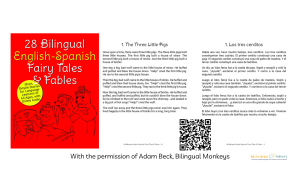
Bilingual books typically present the text in two languages side by side, either on the same page or on facing pages. This format allows readers to compare the languages directly. For teenagers and adults, this can be particularly helpful as they can easily reference the translation when encountering unfamiliar vocabulary or complex structures. Understanding this format is essential as it helps in developing a routine that enhances comprehension and retention.
Tip: Start by reading a paragraph or a section in your stronger language to grasp the context. Then, read the same section in your target language to notice differences in expression, vocabulary, and syntax.
Engage with the Text Actively
Active reading is crucial when working with bilingual books. This involves not just reading the text but also engaging with it through annotation, summarization, and reflection. For instance, after reading a passage, try summarizing it in the target language. This reinforces comprehension and helps in internalizing new vocabulary and grammar structures.
Tip: Use a notebook to jot down unfamiliar words or phrases and their translations. This practice aids memory retention and provides a quick reference for future reading sessions.
Leverage Cultural Contexts
Bilingual books often include cultural references that are unique to each language. For example, a word or phrase in one language might carry cultural connotations that do not directly translate into another language. Paying attention to these nuances not only improves language proficiency but also deepens cultural understanding.
Tip: When you encounter a culturally specific term or concept, take the time to research its background. Understanding the cultural context enhances your appreciation of the text and provides a richer learning experience.
Set Clear Goals
Whether you are reading for fluency, vocabulary acquisition, or cultural understanding, setting clear goals can make your reading sessions more productive. For teenagers and adults, this could mean focusing on particular aspects of language, such as idiomatic expressions or specific grammar structures.
Tip: Before starting a new bilingual book, define what you want to achieve. For instance, you might decide to focus on mastering verb tenses or expanding your vocabulary related to a particular theme.
Use Complementary Resources
Bilingual books are most effective when supplemented with other language-learning resources. This could include dictionaries, language apps, or even discussion groups where you can practice and discuss what you’ve read. For teenagers and adults, engaging with language communities can provide additional support and motivation.
Tip: Consider joining a book club or online forum focused on bilingual books. Discussing the text with others can provide new insights and help you see the language from different perspectives.
Conclusion
Bilingual books are a powerful tool for independent language learning, especially for teenagers and adults who are skilled readers and already have a foundational understanding of both languages.
By understanding the structure of these books, engaging actively with the text, leveraging cultural contexts, setting clear goals, and using complementary resources, readers can significantly enhance their language proficiency and cultural awareness.
References:
- Baker, C. (2011). Foundations of Bilingual Education and Bilingualism. Multilingual Matters.
- Cummins, J. (2000). Language, Power, and Pedagogy: Bilingual Children in the Crossfire. Multilingual Matters.
- García, O. (2009). Bilingual Education in the 21st Century: A Global Perspective. Wiley-Blackwell.
- Grosjean, F. (2010). Bilingual: Life and Reality. Harvard University Press.
This approach, integrating strategic reading techniques with cultural and linguistic insights, supports effective bi- and multilingualism and enriches the reader’s language learning journey.
Further readings:
How to Read Bilingual Books with Babies and Toddlers
How to Read Bilingual Books with Emergent Readers: A Guide for Simultaneous and Successive Bilinguals
I invite you to watch our video Reading Bilingual Books, or Not Reading Bilingual Books: